Obi radically revamps its IT with Microsoft, Blue Yonder, McKinsey and VusionGroup

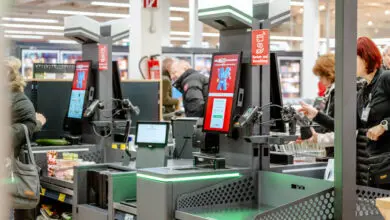
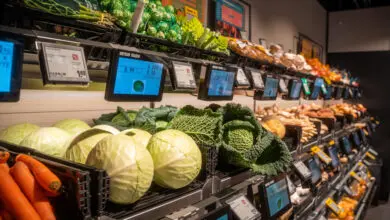
DIY retailer Obi has introduced electronic shelf price labels from VusionGroup in selected product ranges in around 200 of its German stores. The international roll-out of the digital labels is currently underway, reported Obi’s CIO Tim Engler at the EHI TechDays in Bonn earlier this month. The introduction is part of an extensive digitalisation project of the DIY retailer, which also includes the introduction of McKinsey’s Periscope price optimisation solution.
Tim Engler reported in Bonn on the complete overhaul of the systems at Germany’s second-largest DIY store operator. He cites omnichannel capability as an important goal of the mammoth changes within the company: “When I issue coupons and discounts, I want them to be redeemable online, but also at the checkout in the store. I want to be able to buy an online marketplace item in-store and pay for it at the checkout with a third-party payment method.”
In contrast to its direct competitors Bauhaus and Hornbach, Obi is continuing to steer clear of SAP for its merchandise management processes. Germany’s largest software company is currently facing a lot of criticism from retail companies – including DIY store operators – due to the considerable costs regularly associated with upgrading to SAP S/4HANA and the immaturity of the new UDF forecasting solution as well its assortement and allocation management tools.
Merchandise management with Microsoft Dynamics
Obi is replacing its old IBM AS400 world with Microsoft Dynamics 365 and will manage its product master data with Syndigo going forward. The solution has already been introduced in wholesale. Microsoft Dynamics is not only being introduced by Obi as merchandise management system for all stages, but also as warehouse management system in its distribution centres. This has already been implemented at all but one location. Microsoft Office, on the other hand, is being thrown out by Obi and replaced with Google Workspace. “We see Google as clearly ahead here, especially when it comes to integrating AI into this worksuite,” explains Tim Engler.
Obi has chosen Blue Yonder for the forecast-based automation of its orders. The solution replaces a large number of Excel spreadsheets and homemade solutions at the DIY store operator, reports Tim Engler. Competitor Hornbach uses Relex for replenishment optimisation, but decided for Blue Yonder for Order Management related to online orders of its shoppers last year, as reported by The Retail Optimiser.
Price optimisation with McKinsey’s Periscope
Obi will rely on McKinsey’s Periscope platform for price optimisation. With this software, the consulting giant aims to offer retailers integrated range, price and promotion optimisation. However, not many users of Periscope are known in the retail sector, as the solution is often used in connection with consultancy projects.
Obi has introduced Trade Beyond’s CBX suite for its supplier management and own-brand development. With the new structure in supplier management, Obi also wants to meet the stricter ESG regulations. The Retail Optimiser reported.
Major remodelling without cost explosion
Obi already broke new ground in the area of online platforms last year: the old landscape based on SAP Hybris and Microsoft AX 2012 was scrapped and replaced by the highly flexible platform from Brazilian provider Vtex. At that time, Vtex, whose customers include Carrefour Brazil, did not yet have any other large European companies as customers. The Retail Optimiser reported.
The fascinating thing about the mega technology projects at Obi is, that, as CIO Tim Engler emphasised at the EHI TechDays, despite the complete overhaul of the systems in his company, IT costs were no higher than at other comparable retail companies.