Otto Group offers AI content production platform to other retailers

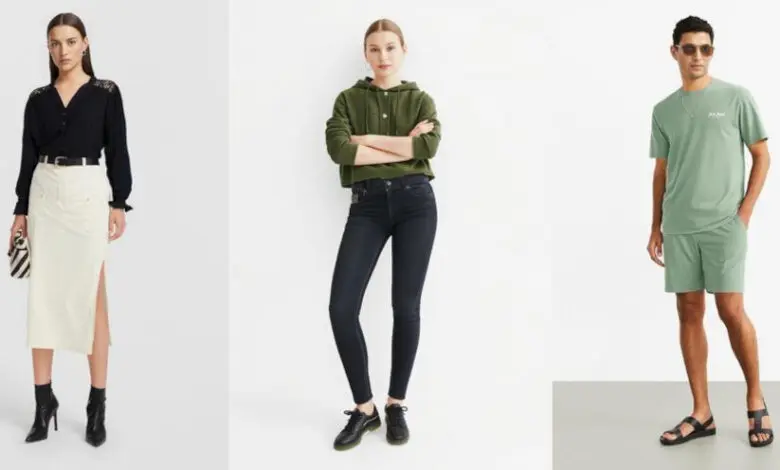
Through AI-driven product content generation, Otto Group already sees average savings in production cost of around 60 percent. According to Marcus Müller from Otto Group’s inhouse technology and strategy consultancy One.O, production costs can be reduced even by up to 90 per cent by in fully automated retail content ecosystems. Speaking on Blue Stage of Euroshop, Marcus Müller offered other retail organisations to also deploy the Virtual Content Creator (VCC) which One.O developed as part of Otto Groups’s live shopping suite Movex.
Early experiments with individual AI models in Otto Group showed that image generation alone was insufficient for enterprise use, Marcus Müller explained. Different AI models produced inconsistent results, while scaling output created workflow complexity and quality risks. One.O responded by developing the centralised platform Movex VCC that integrates the right AI approaches into structured production pipelines.
It enables retailers to create product visuals faster while significantly lowering operational expenses. According to Marcus Müller, traditional product photography remains one of the most expensive processes in e-commerce, requiring studios, photographers, logistics and extensive post-production work. These workflows often take weeks before assets are ready for publication across digital channels. Otto Group therefore explored generative AI not as an optimisation tool but as a way to fundamentally redesign how product content is created.
Platform combines image, text and video creation
The Movex VCC platform combines image generation, brand-specific text creation and automated video production within one environment. Retail teams can upload product assets, define prompts and generate campaign-ready visuals without physical photo shoots. Backgrounds, materials and environments can be modified digitally, enabling rapid variation of product presentations across categories such as fashion and furniture.
Otto Group introduced a hybrid workflow in which creative teams first refine prompts manually before transferring them into automated processes. Once optimised, campaigns can run at scale, generating large volumes of assets automatically. The system distributes finished content directly to downstream publishing systems and online storefronts.
Automated verification
A central challenge of generative AI is quality control when production scales beyond human review capacity. To address this, One.O implemented a second AI layer that automatically verifies generated content against predefined criteria. The verification system evaluates consistency and compliance before approving assets for publication or triggering further adjustments.
According to Marcus Müller, the automation significantly accelerates production cycles while maintaining brand standards across campaigns. Content that previously required weeks of coordination can now be created within minutes or seconds. This speed allows retailers to test and adjust campaigns continuously based on performance data.
Easy localisation of campaigns
Beyond images, the platform generates multilingual marketing texts aligned with brand language guidelines and converts visual assets into short-form video content. Retailers can therefore localise campaigns for multiple markets simultaneously without expanding production teams. The integration supports increasingly social-media-driven commerce strategies where content volume and speed are critical.