

Retail companies like yours are offered a vast array of innovative technologies. But which ones are you still missing? What issues still lack a solution?
Jörg Hirt: What personally concerns me is that customer preferences are still a black box. To put it rather bluntly: the customer walks into the store and I don’t know who they are, I don’t know what they want, I don’t know what they’re doing. Then something happens on the shop floor and – magic – there’s a receipt.
Why, how and for what reason those items are on it. I don’t know it. That’s fine, of course, because customers have the freedom to choose what they want to buy. But we can make them an offer and guide them through their shopping. And to do that, we want to understand their needs better.
I’d like to understand why customers come to us. And I’d like to offer them advice. Because we can. We have expertise in food, we have expertise in nutrition, and with this we can help our customers.
I often experience this myself as a host: my family members and friends have very different dietary challenges and preferences. And these rarely coincide. I go into one of our supermarkets and now have to pick out the right items for our family meal from 25,000 products. Let’s say for four people who have very different dietary goals or requirements. And on top of that, I’m also supposed to plan for the weekend, when three more people are coming to visit. It’s all a bit overwhelming.
That’s why I think it would be great if we could manage to guide our customers who come into a store right from the start, based on their specific needs, and provide them with even better support and advice. One of your guests is a vegetarian, the other a fruitarian. Using a personalised meal plan, I can quickly buy all the ingredients for my guests. The customer can then focus more on being a good host. I find that exciting.
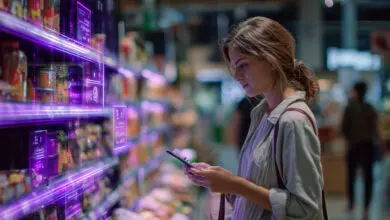
Augmentations for shoppers’ smartphones are really handy here. You filter your requirements – such as gluten-free – point the camera at the shelf and see all suitable products highlighted with a green frame …
… that’s right. What’s really helping us at the Rewe Group right now is that we launched ‘Rewe Deine Küche’ many years ago. Did you know that our recipes come with a guarantee of success?
That’s brilliant. So if I mess up cooking at home, I can blame Rewe?
All the recipes we have were tried and tested by us. Our colleagues in the Rewe Kitchen Studio have all cooked them in advance. That’s different from other recipe portals, which simply buy content from somewhere or have it generated externally – in the best of hopes that it’ll turn out right. When we say the cake needs 180 degrees, that’s exactly right. Because we’ve baked that cake ourselves.
So that means we know a great deal. And now to the specific challenges our customers face: what I personally would like to see for the future, from an innovation perspective, is for us to engage in dialogue with you – if you’re up for it. What do we need for that?
The first thing is a sort of personal data wallet – because, after all, we do need to know a few things about you. But I don’t want your data at all. I don’t want to know that you’re lactose intolerant, or that your children eat nothing but pizza. You should have that data for yourself, and you should keep it to yourself.
I’d like customers to be able to manage and control their own data. If they want to use a personalised service, they can selectively share specific information. This makes it possible to offer individualised services without companies having to build up extensive personal data sets on their customers. In other words: ultimately, we can, for example, give you personalised menu suggestions: ‘Here’s a quiche you could make for your guests – it’s super easy to prepare, and you’ll need the following ingredients… bam, bam, bam – and you can cook it tonight.’ In my view, that’s the direction we’re increasingly heading in.
That’s really exciting. Let’s take a moment to look at the current situation. What do you see as the most important innovation that’s already been implemented in your brick-and-mortar banner operations? Which of the technologies already in place have had the greatest impact on your stores?
In brick-and-mortar banner operations, there are always two perspectives we need to consider. One perspective – and this is the most important one – is that of the customer. And the most relevant innovations here all revolve around the checkout.
That’s where the biggest friction points lie. A shopping process consists of pre-sales, sales, and then comes that point where shopping suddenly isn’t so appealing anymore. Standing in a queue for a few minutes simply isn’t cool for many people, at least at certain times.
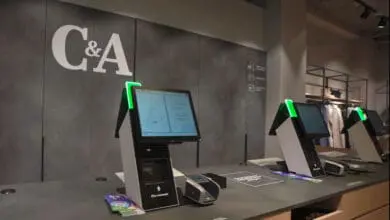
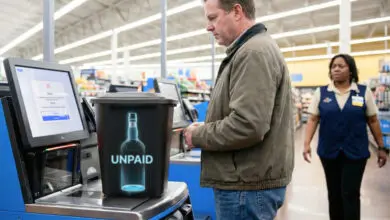
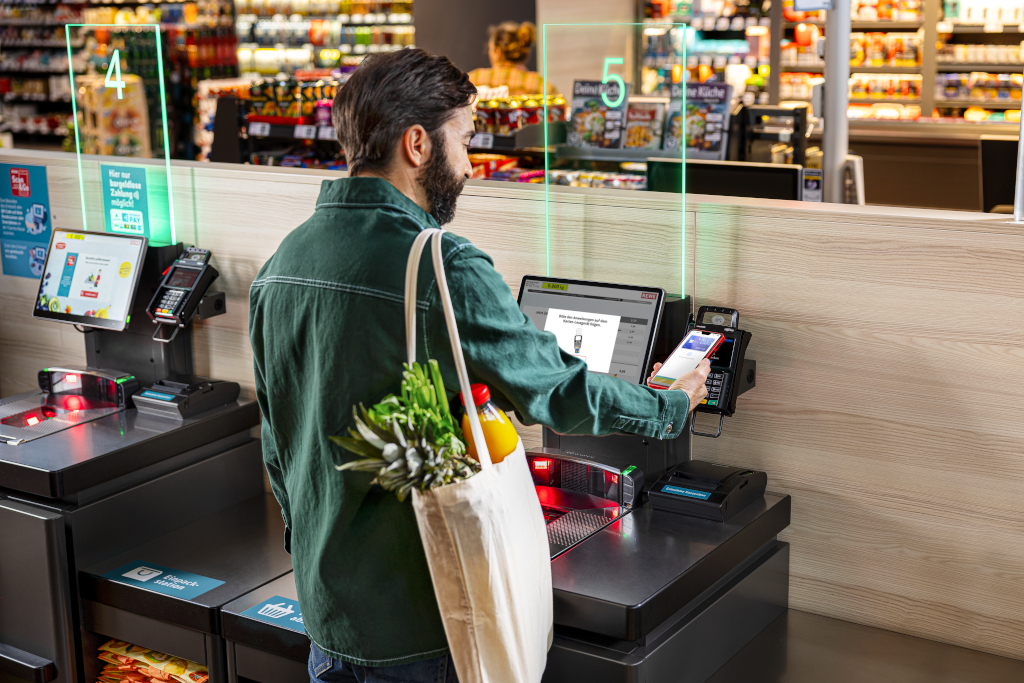
We’ve already achieved a great deal with our new self-checkout, Scan&Go and Pick&Go systems. Our customers are noticing this.
And on the other hand – and this is also very important to us – there are the staff. A great deal has changed for them too. Thanks to the new checkout options, our staff have more time to offer advice and build closer relationships with customers.
Rewe Group is now discontinuing Pick&Go, the operation of scanless supermarkets using Trigo technology. Isn’t this sort of thing really more suited to small neighbourhood stores in rural areas, to fill gaps in the supply network?
The great thing is: the fewer SKUs you have, the simpler it becomes. In rural areas, we’ve launched the Nahkauf Boxes, which we set up and which are being further developed by Lekkerland.
Together, we’re building technological solutions that allow us to offer consumers local shopping in very small spaces. We see it as our social responsibility not to leave structurally disadvantaged areas underserved. This doesn’t always have to involve Pick&Go technology. Concepts based on self-checkouts often make a lot of sense too.
Is it even possible to run an online grocery business in Germany profitably?
Of course.
But your online delivery service isn’t profitable, is it?
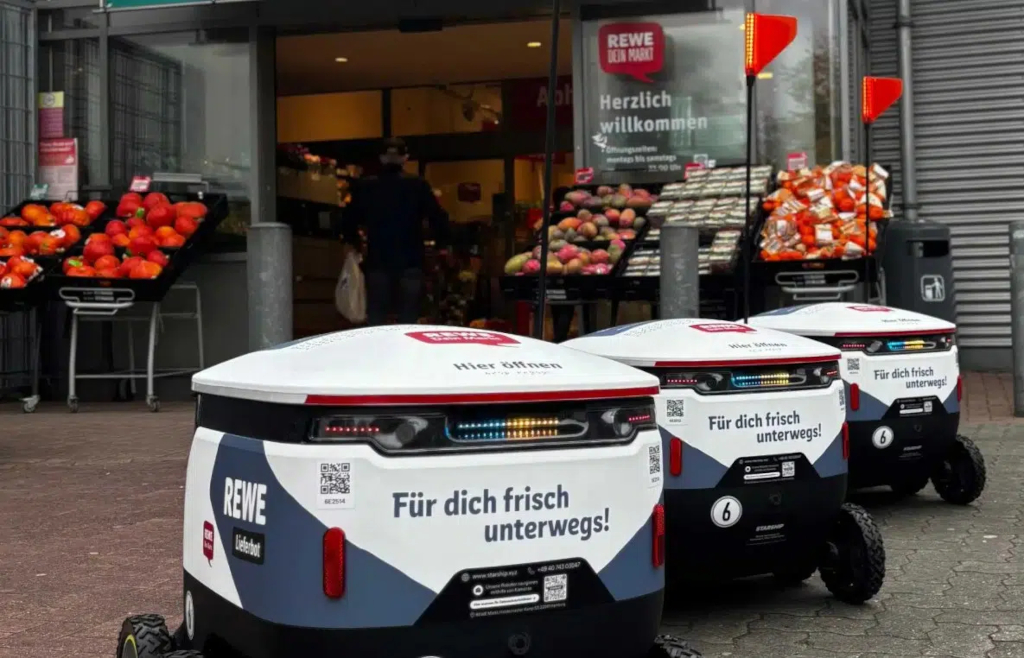
Ultimately, it’s not about individual channels, but about offering customers the right solution for their everyday lives. Sometimes the weekly shop is delivered, sometimes something is picked up quickly, and sometimes a purchase is made in-store. It is precisely this flexibility that is becoming increasingly important. That is why we do not view the Rewe delivery service in isolation, but as part of our e-food offering. In addition to the delivery service, this also includes the collection service, formats such as Drive&Go, and trials of delivery bots. We’ve noticed that customers who use several of these services feel a particularly strong connection to Rewe. Ultimately, that’s what matters most to us – offering freedom of choice and creating flexibility in everyday life, so that customers feel ‘seen’ by us.
My theory has always been: the delivery van is already full when you set off. If you get more orders, you’ll have to send out more vans. That way, profitability will never be achievable. Not even if you had some ‘magic’ technology that picked and packed everything fully automatically.
We’re currently trialling various technologies to better understand what might make sense in the future. This includes, for example, trials with autonomous vehicles or delivery robots. At the moment, our main focus is on learning: what works in practice, what goes down well with customers, and where does real added value arise? We’ll then decide on the next steps based on this.

Jörg Hirt
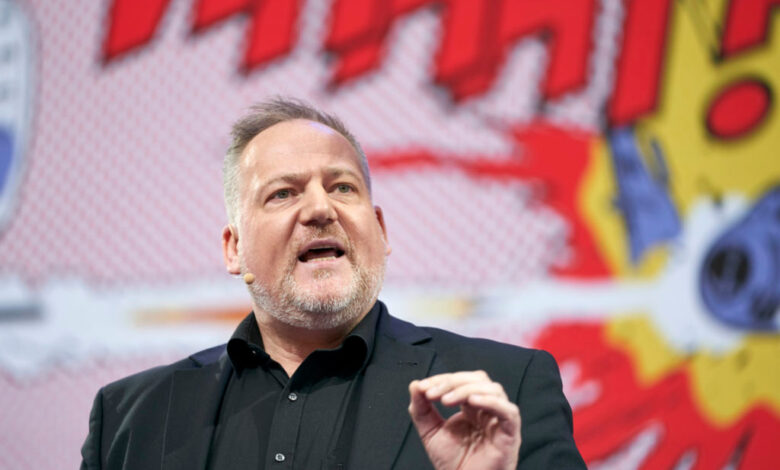
Jörg Hirt is Chief Innovation Manager at Rewe Digital and a key player in the field of technological innovation. With an extensive career in the digital and technology sector, he has made a significant contribution to the digital transformation of the Rewe Group, one of Europe’s largest retail companies.
Jörg Hirt began his professional career by studying business administration and has extensive experience in various senior roles within the IT and innovation sectors. At Rewe Digital, he is responsible for the development and implementation of forward-looking technologies that are shaping the retail sector in the long term.
Under his leadership, Rewe Digital has launched numerous innovative projects that improve customer service, boost operational efficiency and open up new business opportunities. His expertise in the fields of artificial intelligence, big data and digital transformation makes him a sought-after speaker and expert at international conferences and specialist events.

But how are goods to be handed over to the customer by driverless systems?
To imagine a future scenario: the customer could then choose. Take me, for example – I live in a very rural area, with the road running right past my front door. I might order an autonomous vehicle, for instance, and then simply walk over to it and collect my goods.
I have friends who live in Cologne, in an old block on the fourth floor, and they say: ‘never ever’. But even in such cases, we should continue to give customers a choice in future: those who are fit enough to walk can collect their goods from an autonomous vehicle parked in a delivery bay. For those who aren’t able to do that, a driver will bring the goods right to their front door. There might be a different pricing model behind this, but we won’t stop delivering right to the front door.
Autonomous delivery is definitely the key to ensuring that you’ll one day be able to have groceries delivered in every region of Germany and that the whole concept can really take off.