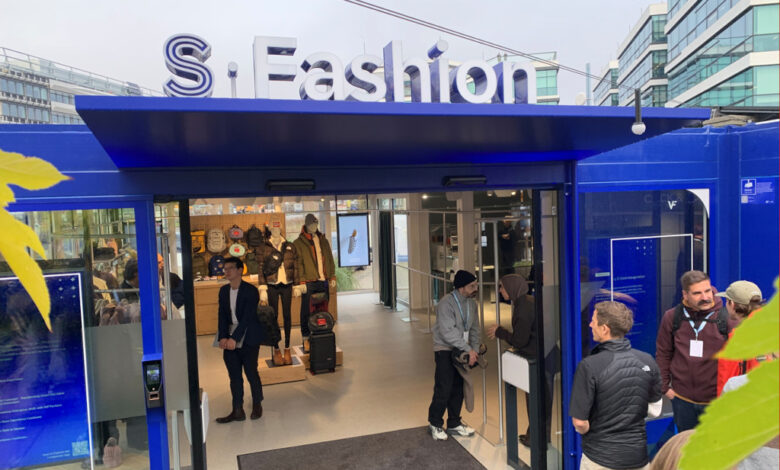
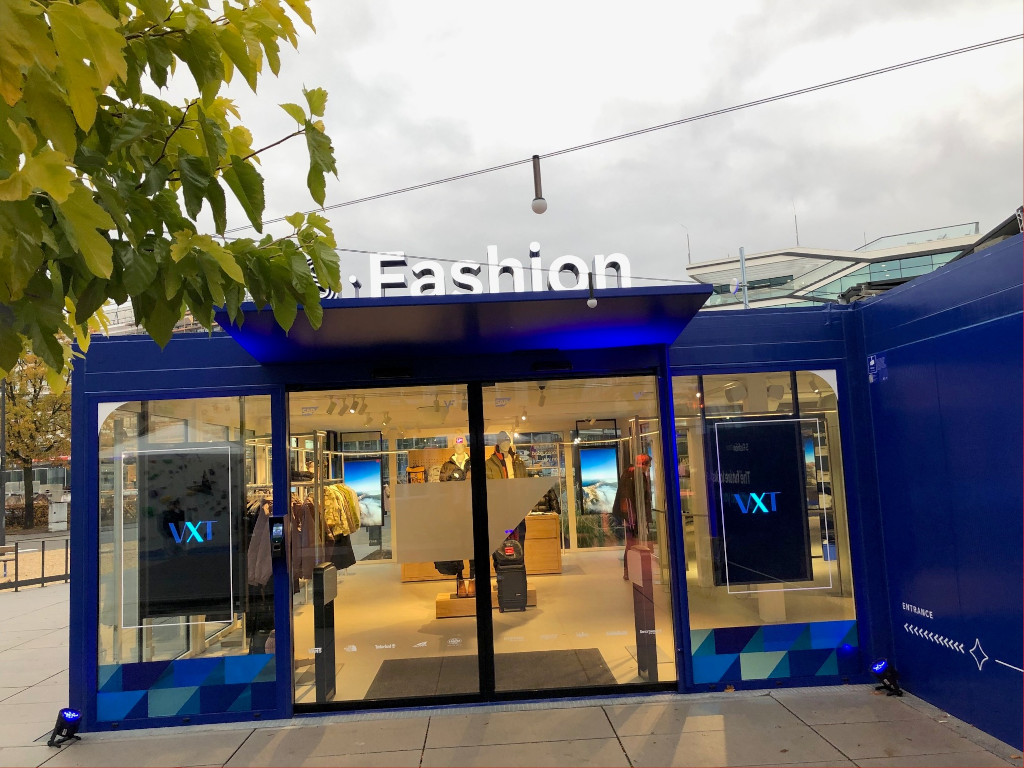
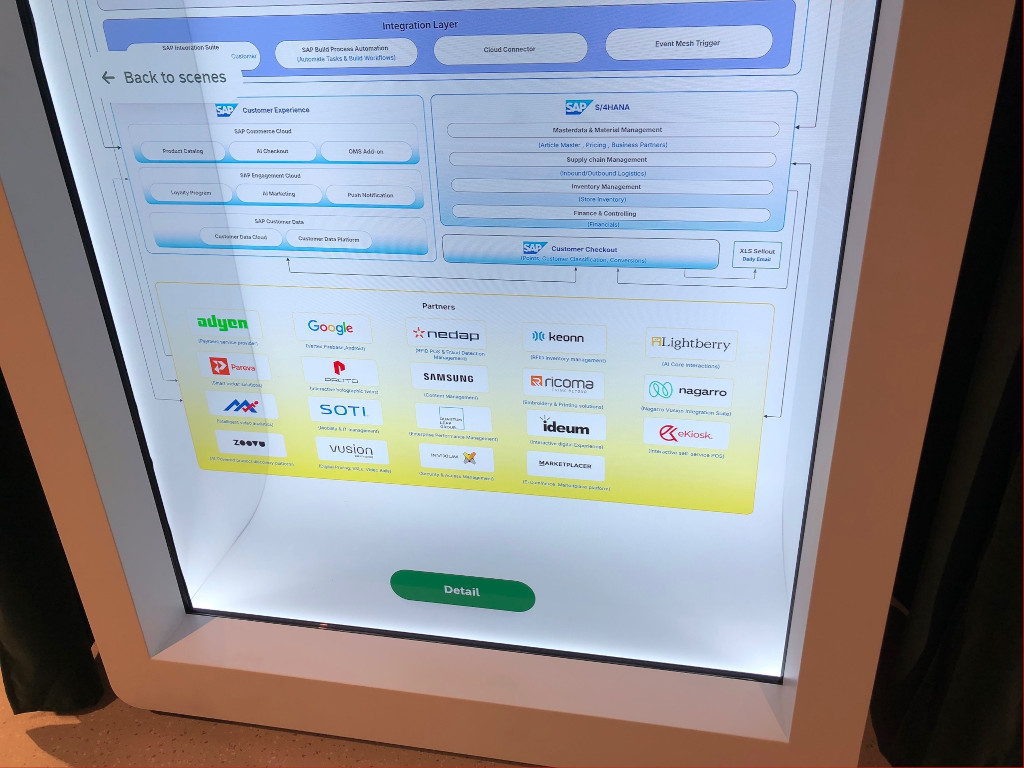

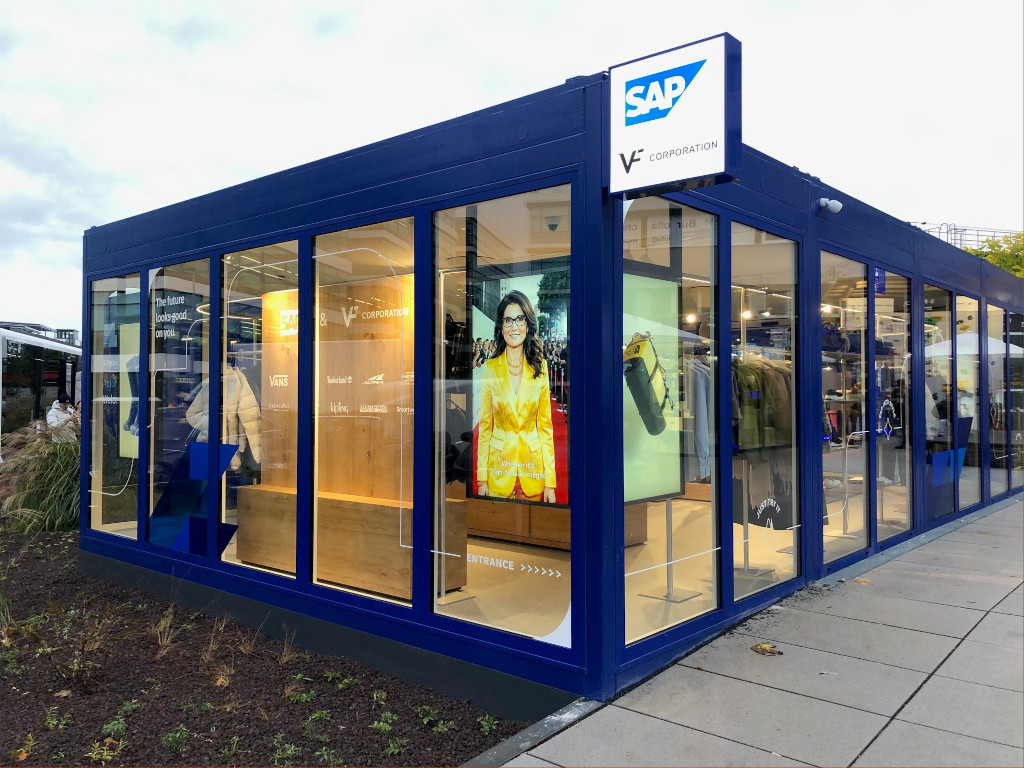
SAP and the US-based outdoor and lifestyle fashion company VF Corporation opened a fashion pilot store last week at SAP’s headquarters in Walldorf, Germany. The Retail Optimiser was present at the opening. The live test environment combines SAP applications and AI agents with technologies from 19 partners. The team launched the store, named S.Fashion, within three and a half months.
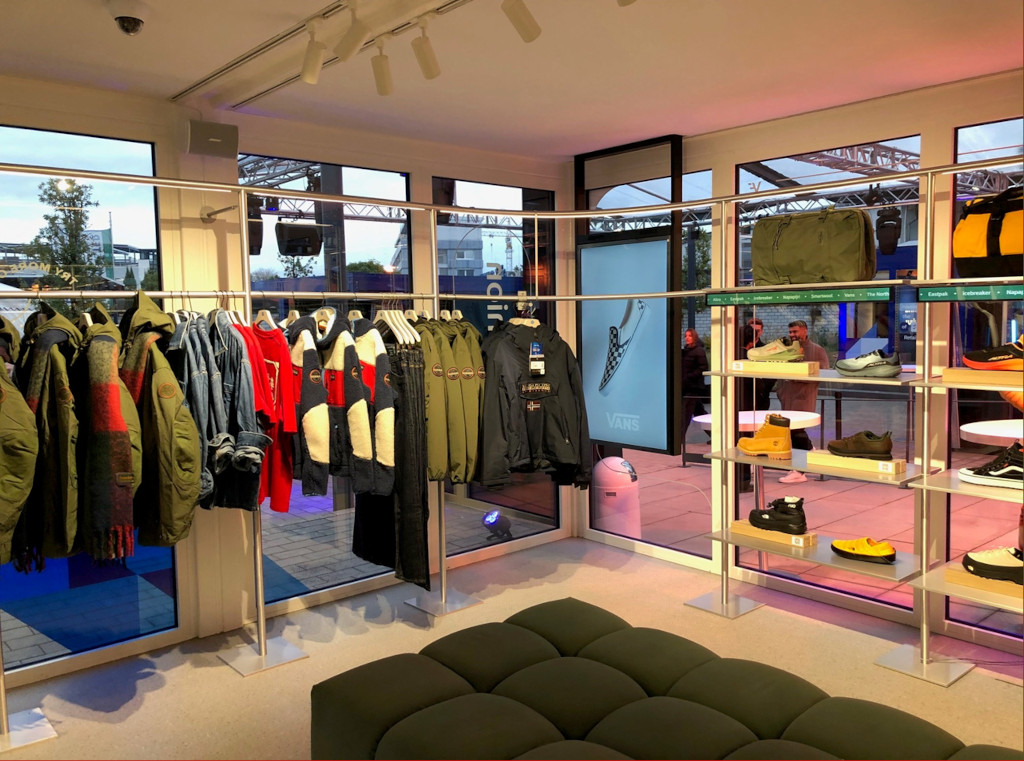
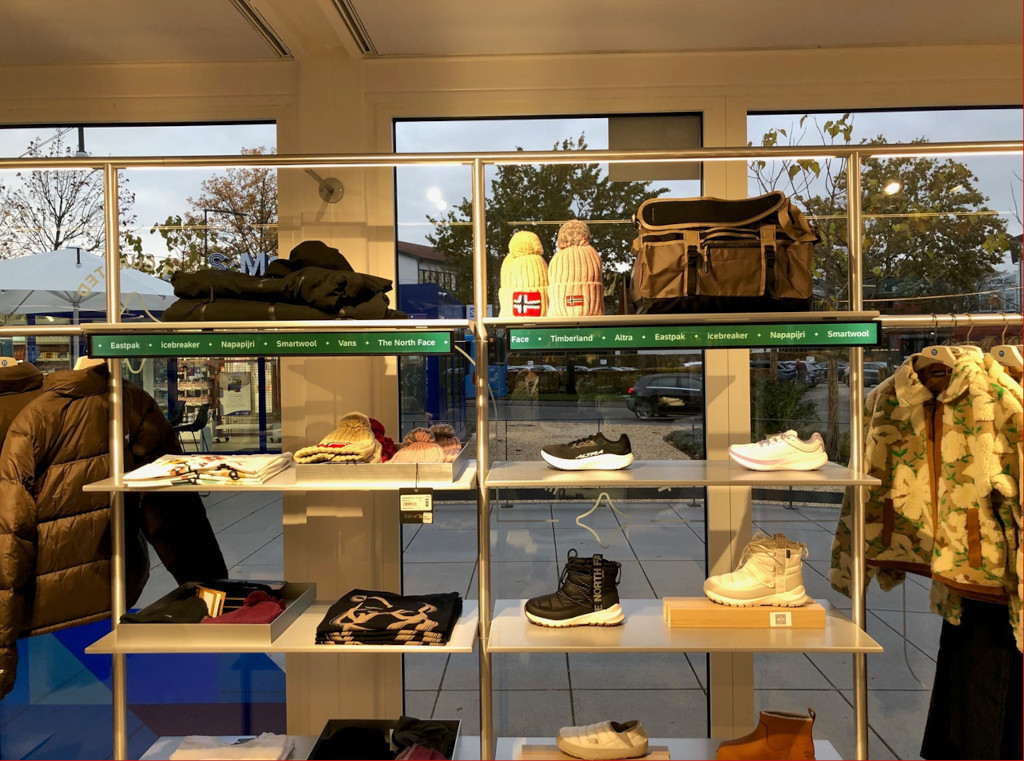
VF Corporation is selling selected products from its brands The North Face, Vans and Timberland in the pilot store. The fashion group is testing how item-level RFID data and AI-powered processes support inventory, order management and fulfilment, pricing and replenishment. S.Fashion is integrated with the company’s productive systems.
SAP employees and their family members are permitted to shop in the pilot store – guests by appointment. The sales area is designed for round-the-clock operation and can operate without on-site staff at selected times. Together with SAP, VF Corporation aims to identify which applications optimise processes and can be rolled out to other stores.
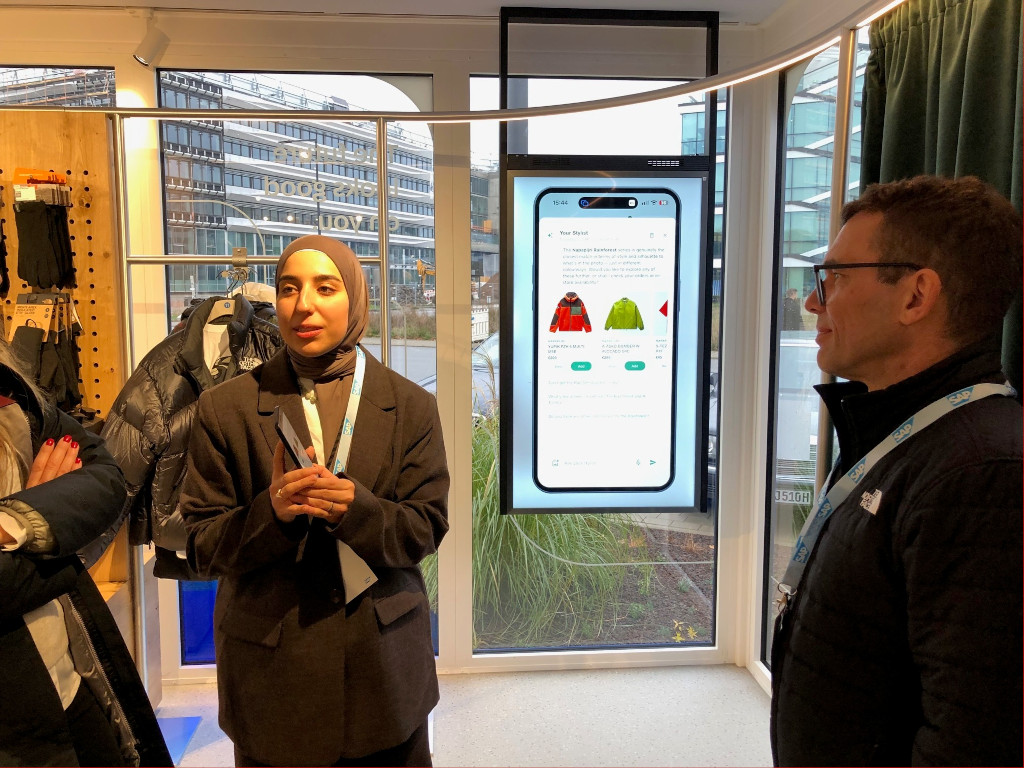
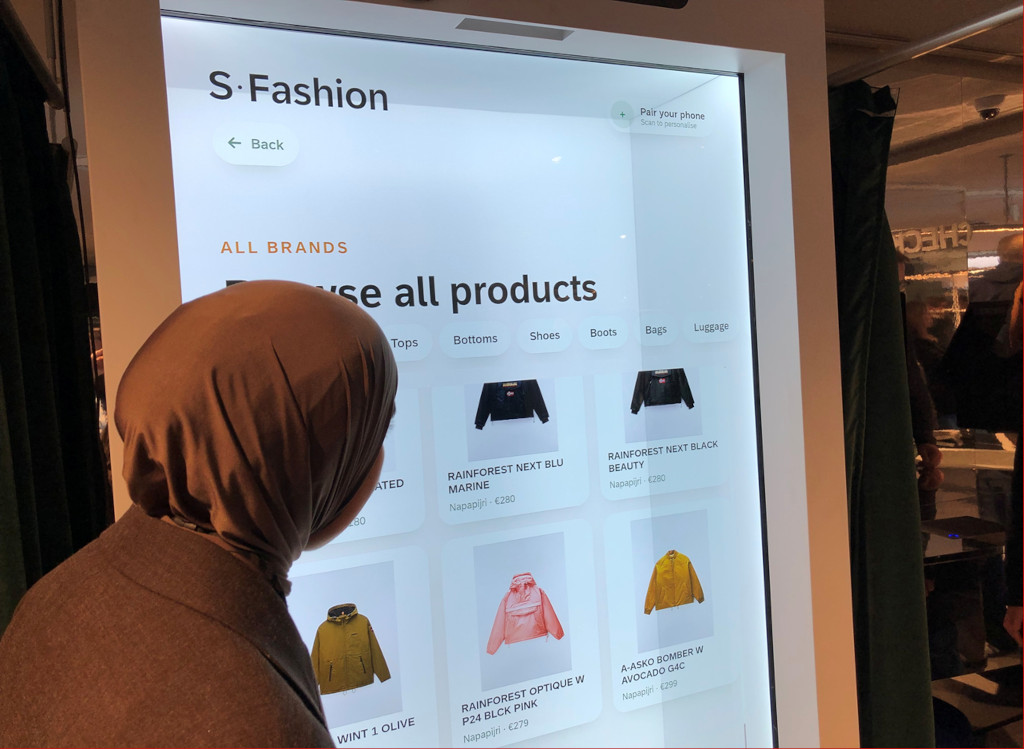
Shoppers begin their journey via an app, which creates a personalised session upon entry. An AI assistant then helps them search for products and displays available sizes and colours. Customers can also use a store map to be guided to the location of the item they are looking for.
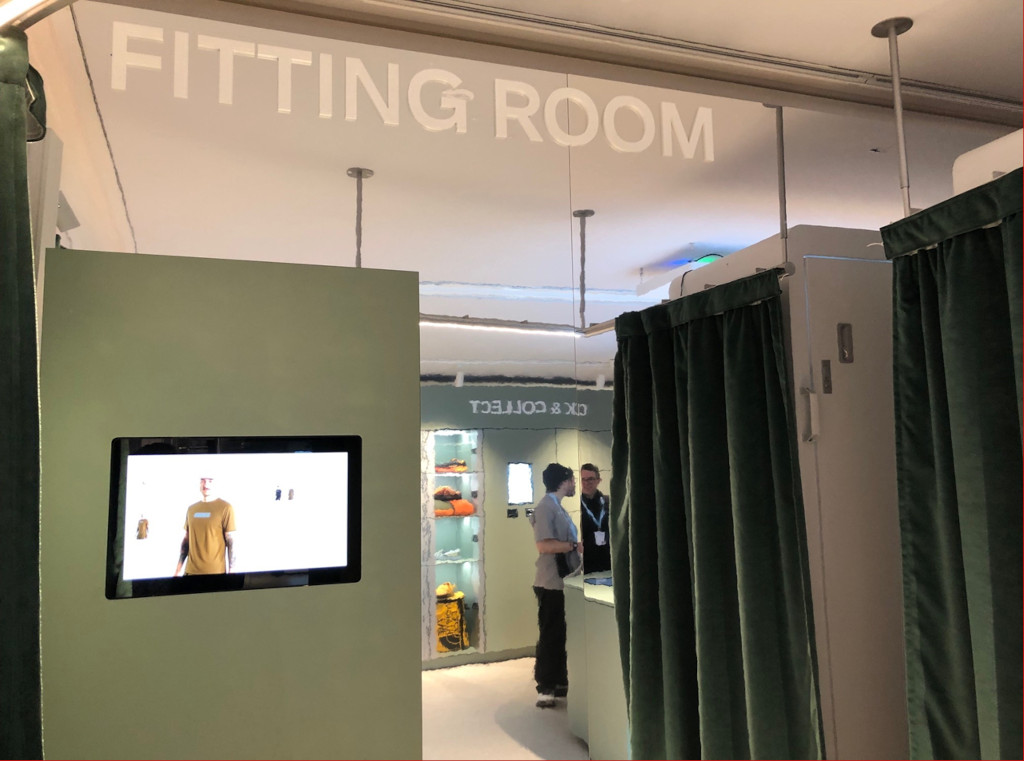
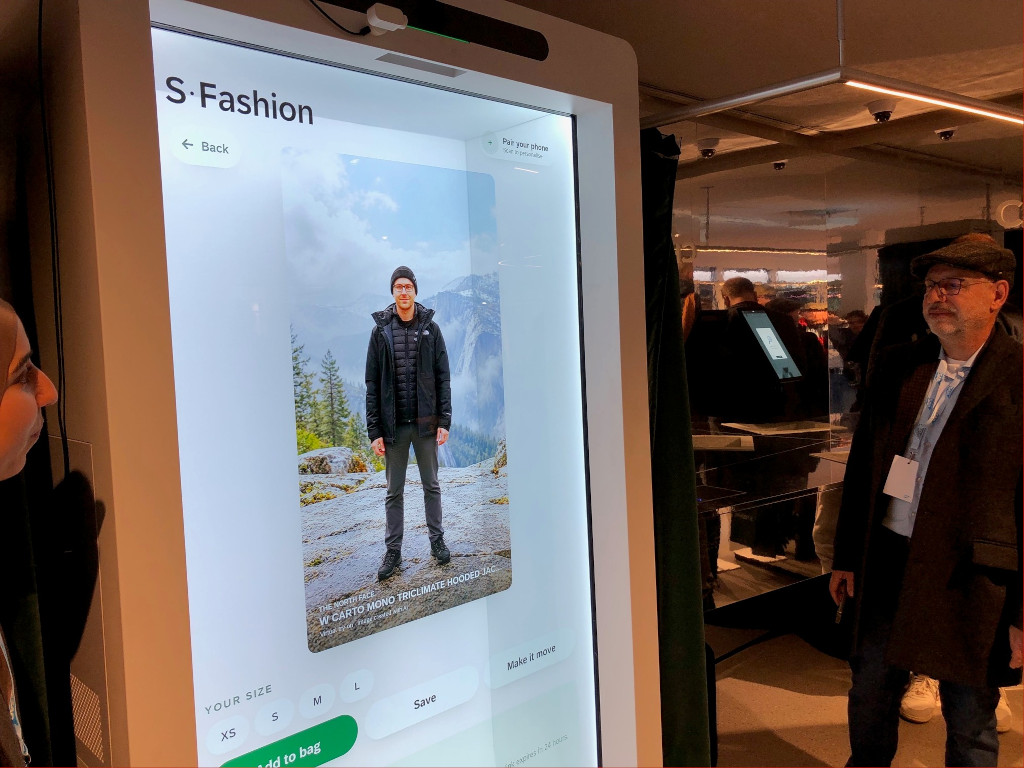
Technology from hologram specialist Proto shows shoppers, via a virtual fitting, how garments look on their digital avatar. In the changing room, a smart mirror identifies the RFID-tagged items the shopper has brought in. Using the mirror’s interface, shoppers can search for available sizes and colours without leaving the cubicle.
All photos: The Retail Optimiser
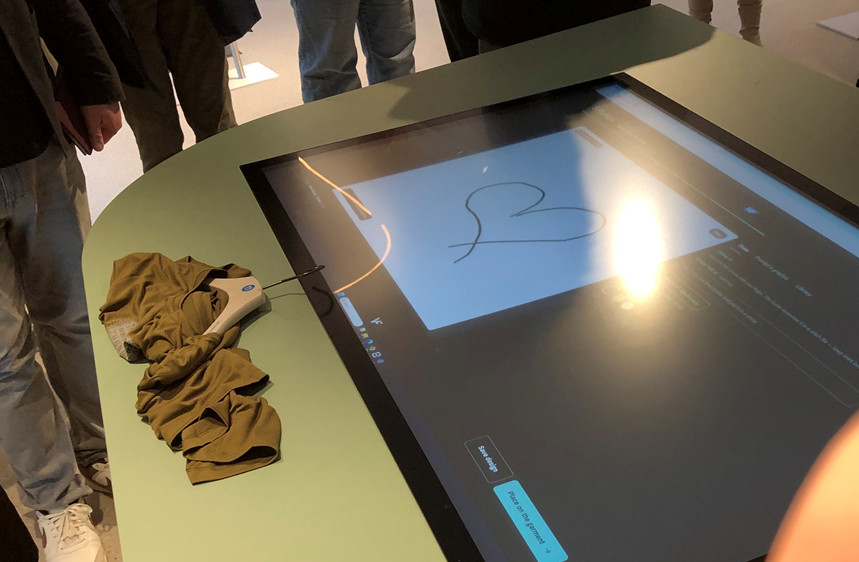
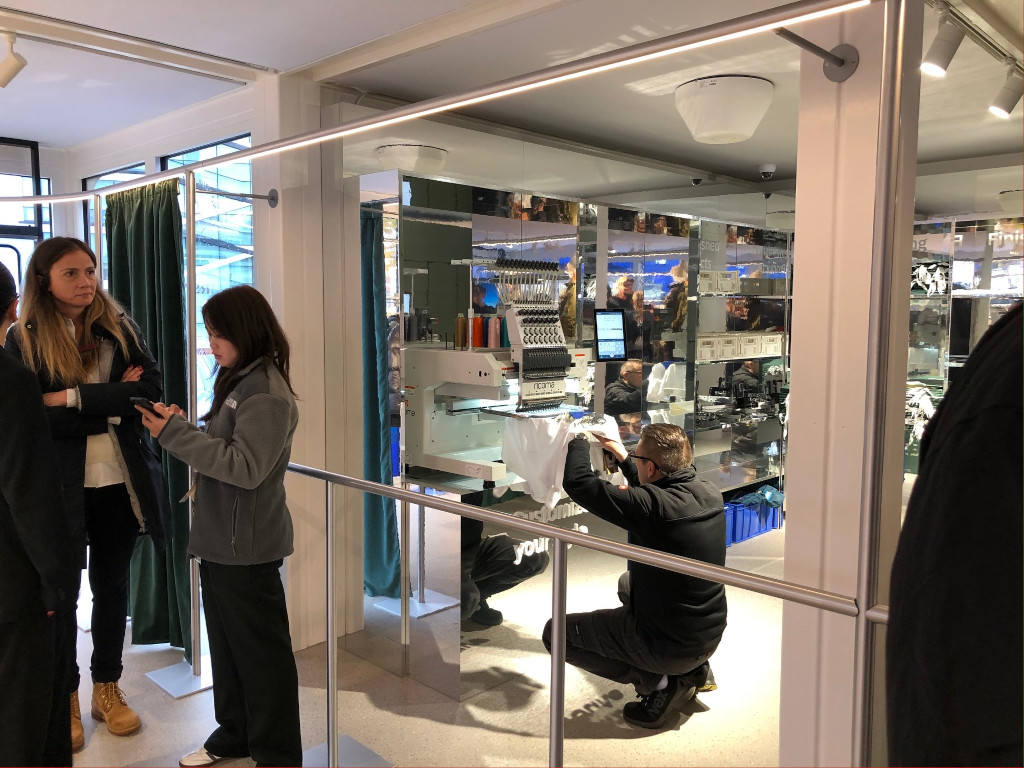
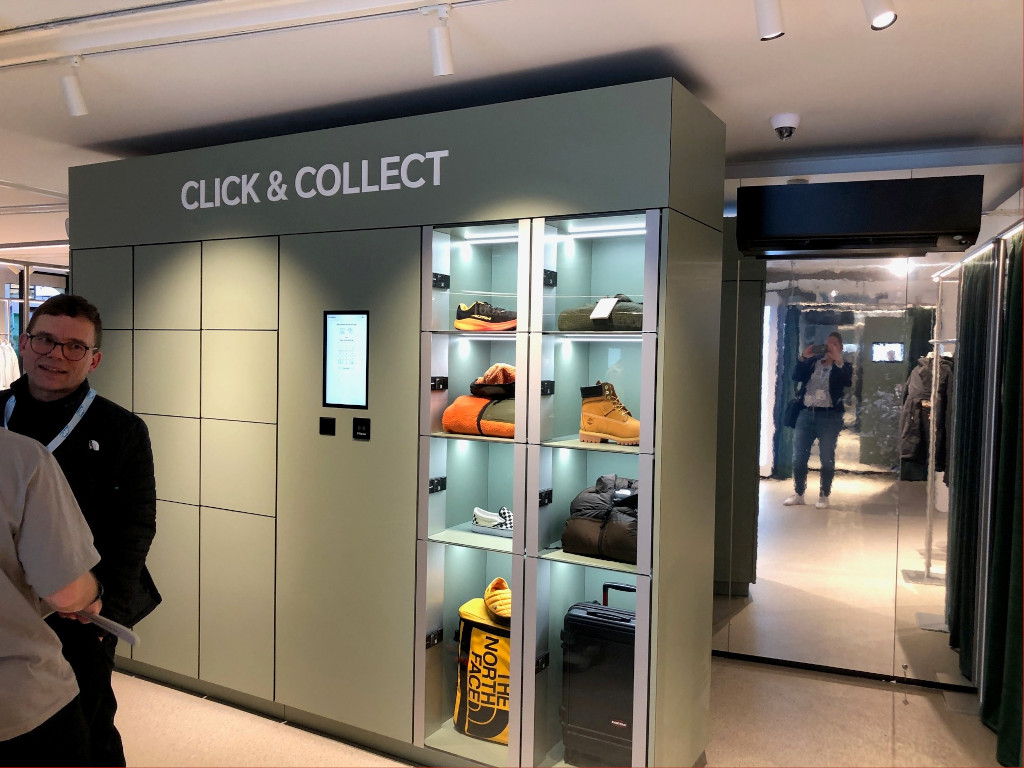
Shoppers can create a sketch or initials on a screen and edit them using AI. Once approved, solutions from textile finishing specialist Ricoma embroider or print the design onto the selected item. The store team then places the personalised product in a collection compartment in the Pareva locker. As soon as the item is ready, the shopper receives a message and opens the allocated compartment using a QR code.
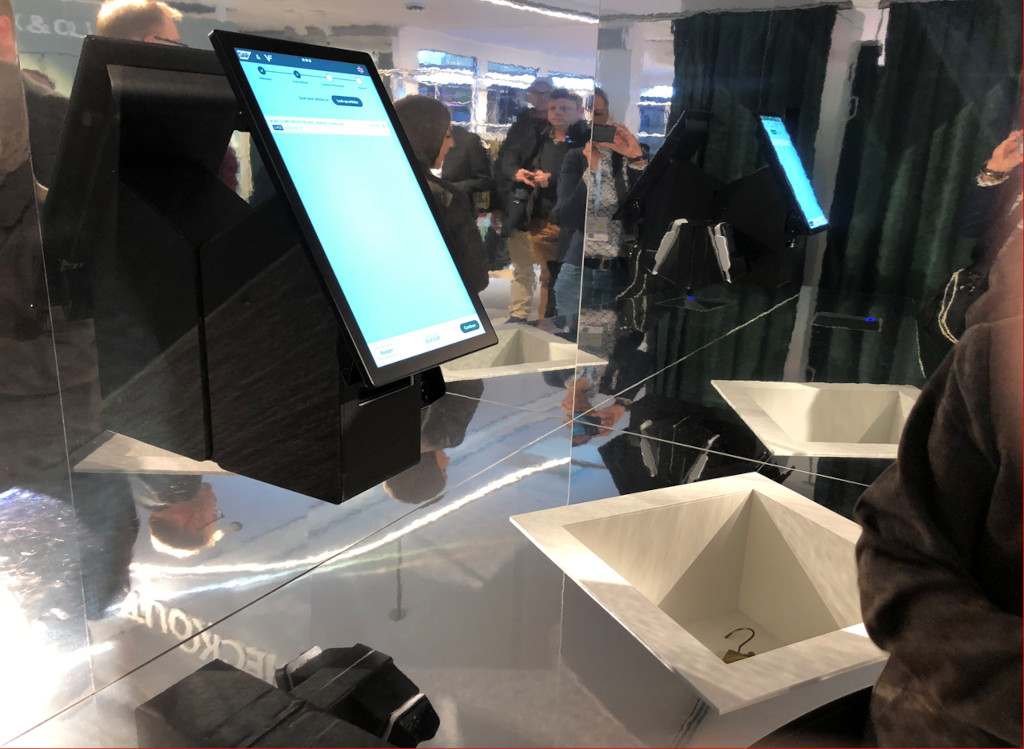
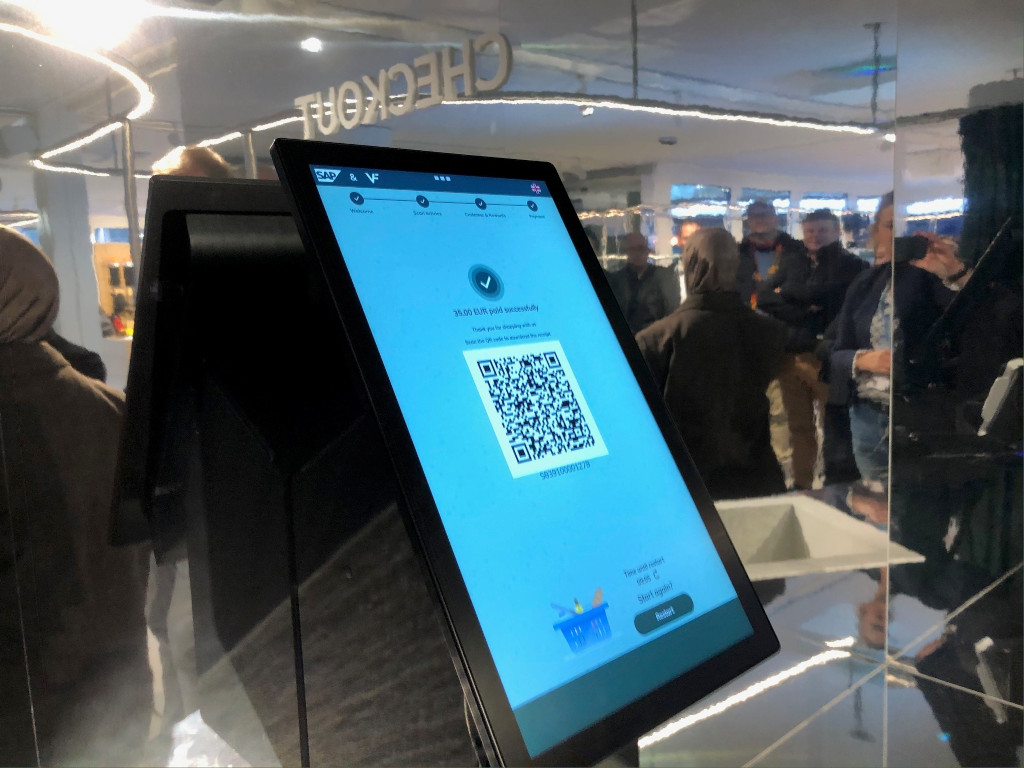
At the self-checkout, shoppers place their selected items together into a box-shaped RFID scanner. This reads all tags simultaneously and transfers the data for the recognised products to the digital shopping basket. Payment specialist Adyen then processes the cashless transaction. Alternatively, shoppers can pay for their purchases via the app.
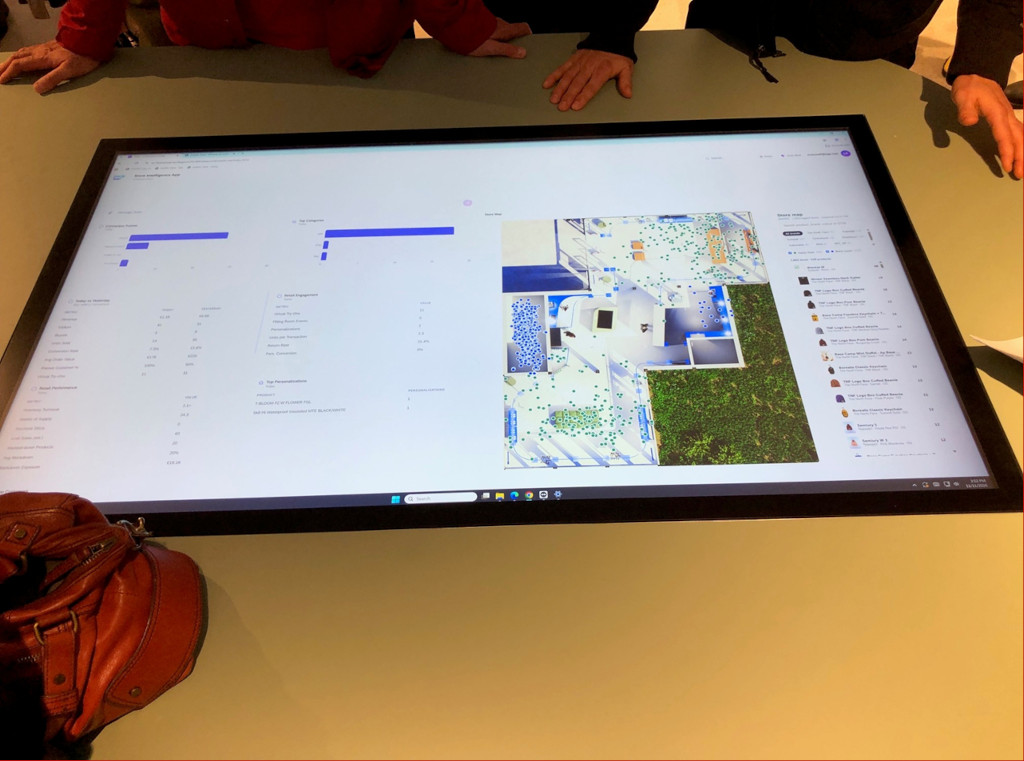
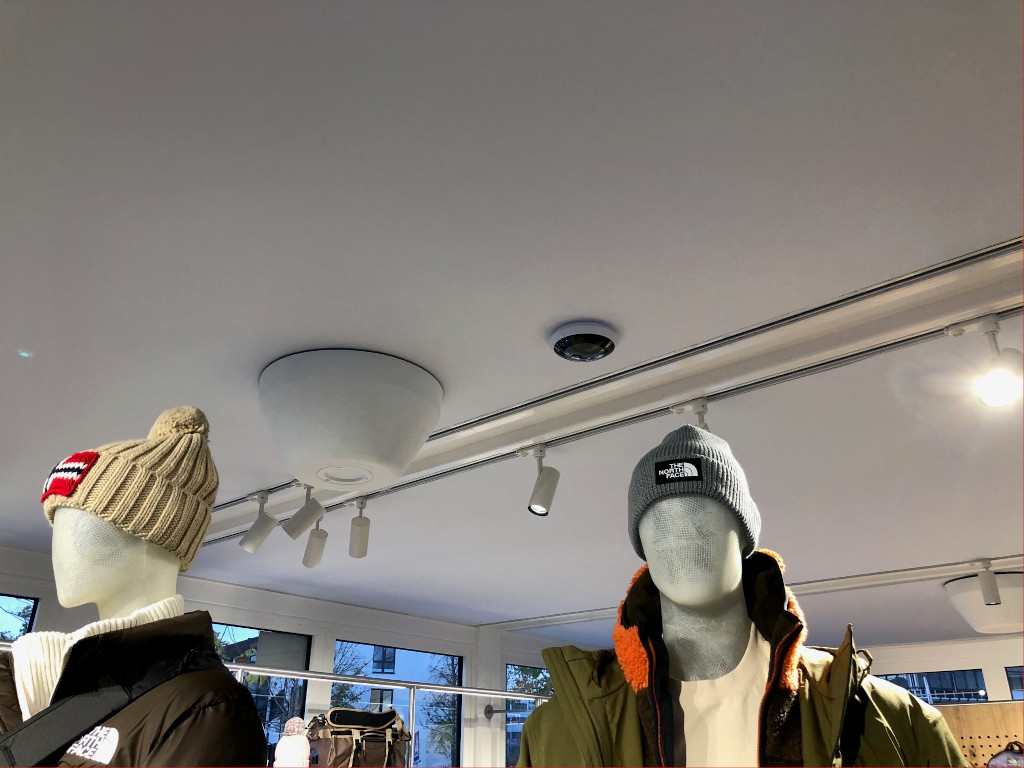
RFID antennas installed in the store continuously track the location of tagged items. Keonn’s stock management solution uses this data to locate goods on the shop floor and in the changing rooms. The RFID specialist Nedap combines the data with functions to detect potential irregularities. Intelligent video analysis complements the monitoring by comparing the number of products taken with those scanned and paid for and reporting any discrepancies.
VF Corporation aims to use feedback from the pilot’s ongoing operation to determine which solutions should be further developed and potentially rolled out to other stores. Automated processes are intended to give staff more time to advise customers.
With S.Fashion, SAP has expanded its test environment at its headquarters to include a fourth store module. Previously, the software group had set up a retail showroom in the Customer Experience Centre and a Grab&Go store for staff using Zippin. This was followed in April 2025 by the S-Mart Store, operated by Aramark.
The S-Mart Store tags individual food items with RFID tags, although costs and packaging containing metal or liquids make the use of radio-frequency technology in grocery retail challenging. Technologies from Vusion, Diebold Nixdorf, Payfree and Adyen, amongst others, are used there. The Retail Optimiser reported.