
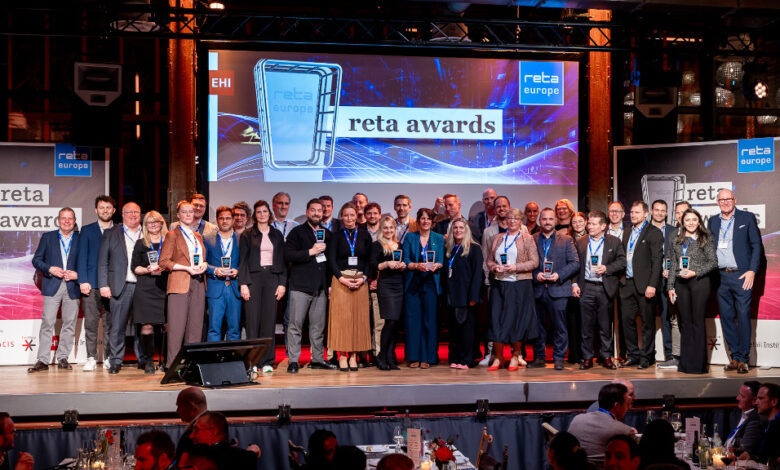
There was a jubilant atmosphere last night at Dr. Thompson’s Seifenfabrik in Düsseldorf: top IT managers from leading retail companies such as Colruyt Group, Coop Sweden, Globus, Kaufland, Koçtaş, Lekkerland, Netto Marken-Discount, Rossmann, Sonae, and many more celebrated together with their technology partners.
Yesterday, EHI Retail Institute announced the winners of the 19th Retail Technology Awards Reta at EuroShop 2026. A high-calibre jury, including Björn Weber, Publisher of The Retail Optimiser, Denise Klug, Head of Technology and Logistics at Lebensmittel Zeitung and Miya Knights, publisher of the British trade journal Retail Technology, selected the best technology projects in European retail.
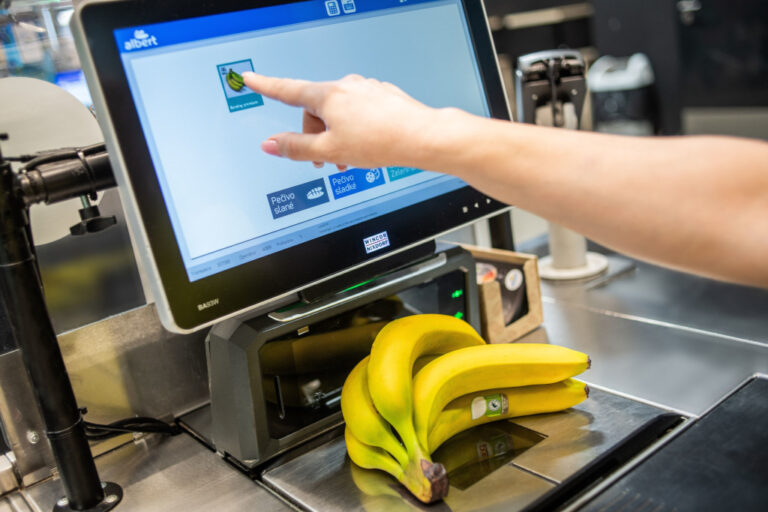
Albert, the Czech banner operation of Ahold Delhaize, is modernising its checkout and service processes with AI-supported item recognition from Mettler-Toledo. The solution from the weighing technology specialist identifies unpackaged goods without barcodes at the checkout faster and reduces sources of error – such as those caused by mixing up products during manual data entry.
The Retail Optimiser spoke to an Albert manager about his experiences.
Edeka Group’s discount retailer uses computer vision technology through its CCTV infrastructure to detect tampering, suspicious behaviour patterns, or unregistered items at its self-checkout systems in real time. The discount retailer’s store employees are notified of any irregularities.
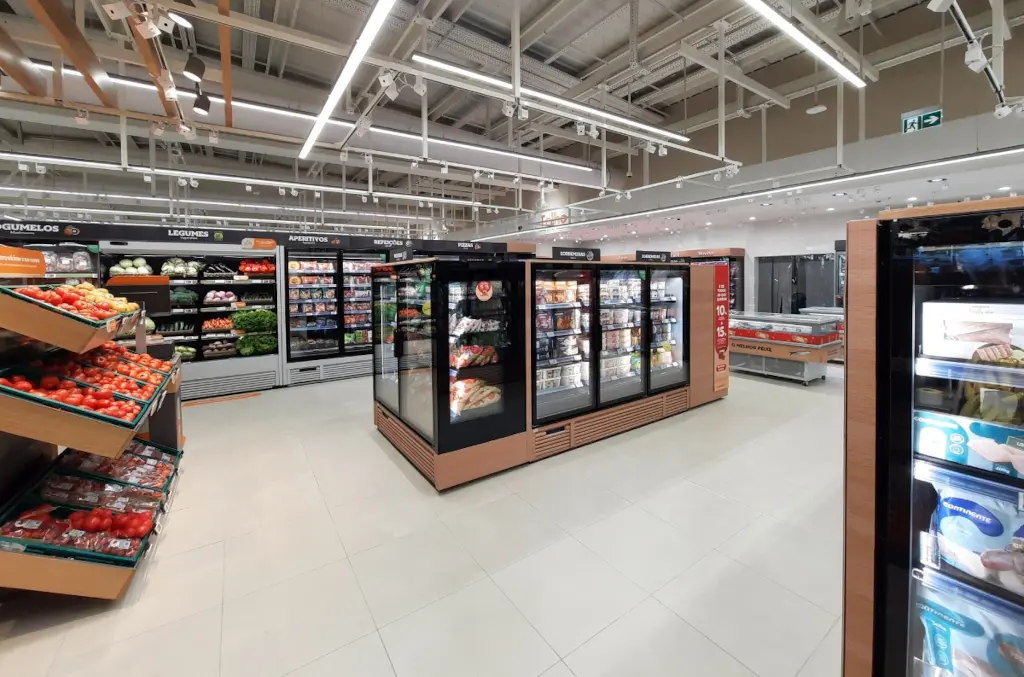
Sonae MC uses a combination of AI, computer vision and sensors to capture goods in a 1,200-square-metre smart store in real time for cashierless checkout. The store in Leiria, Portugal, offers over 11,000 items, including freshly baked goods, fish and meat. There is no need to scan items or queue at the checkout, as the shopping receipt is generated digitally in real time. Customers can enter the store as they would any other supermarket, without having to register at the entrance using a card or app.
The Retail Optimiser reported.
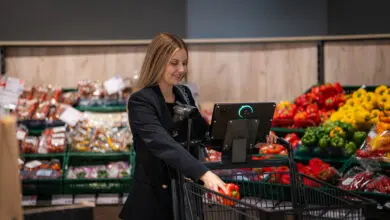
Colruyt Group offers its customers self-scanning shopping trolleys with artificial intelligence at a store in Halle, Belgium. This technology was developed in-house by the Belgian retail company in collaboration with intralogistics specialist Expresso from Kassel. The SmartShopper EyeQ uses five cameras, three load cells and a special Nvidia processor to capture product barcodes even when they are tilted or poorly aligned. Sensors and load cells double-check the registration to prevent errors or fraud.
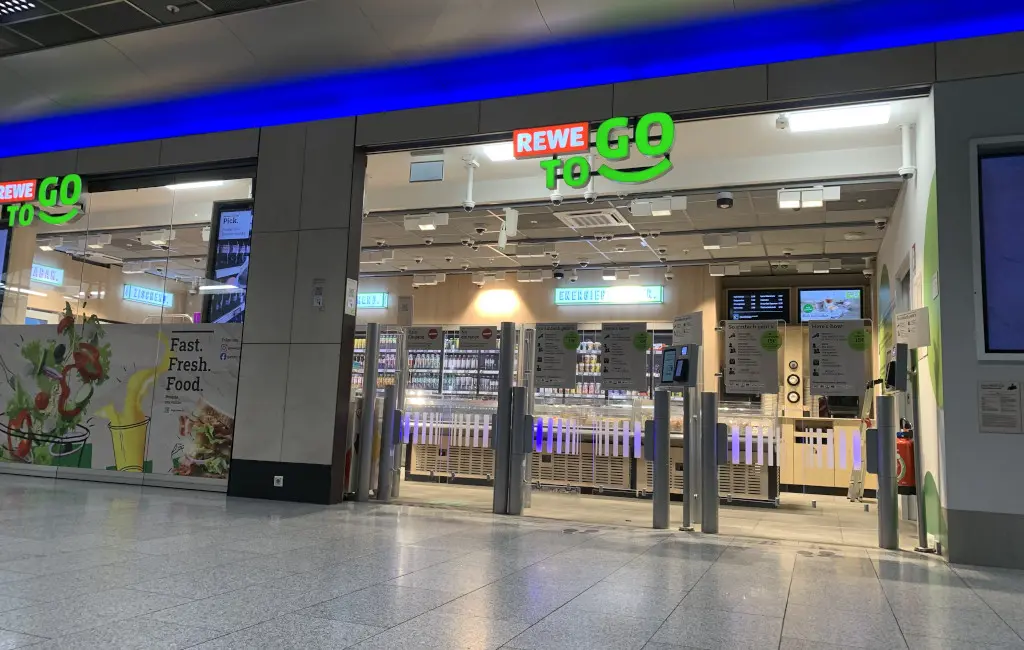
Lekkerland presents the AiFi technology-based Rewe To Go Smart Store at Frankfurt Airport. This 70-square-metre high-frequency location allows shoppers to check in around the clock, pick up products and simply leave the store. The purchase amount is automatically debited from the payment method that customers previously registered at the entrance. The AiFi technology relies entirely on computer vision and does not use weight sensors.
The editorial team of The Retail Optimiser visited the store.
At L&T, price labelling in the brick-and-mortar fashion store in Osnabrück had relied entirely on manual price labelling. At the start of the 2025 autumn/winter season, the project partners introduced hang tags for around 20,000 items in the L&T sales area and implemented AI-based software for price optimisation. The price engine continuously analyses demand trends, stock levels and external market data in order to make dynamic pricing decisions.
China Resources Vanguard has implemented an NFC-enabled electronic shelf label-based shelf marketing solution in a pilot project. The already installed digital labels have been upgraded to interactive touchpoints that display prices and serve as digital entry points for promotions and vouchers. Customers of the Chinese retail company can interact with the labels via a smartphone tap, without the need for an app or QR code.
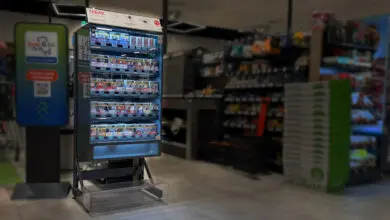
Kaufland Stiftung has integrated the `MyOrder´ solution. This transforms service points into efficient omnichannel fulfilment hubs, which will soon be expanded with AI-supported object recognition. The concept is seamless: customers select goods from a wide range of products at a kiosk in the store, while their orders are displayed in real time on the scales.
MediaMarktSaturn has made its product manuals easier to understand with the AI-supported solution `Smart Manual´. The chatbot, which can be accessed via a QR code or web link and is available 24/7, providing answers to customer queries based on an extensive knowledge database.
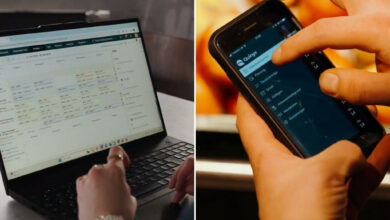
Deichmann is introducing an app for structured communication, task management and reporting in stores that can be used internationally. The solution is seamlessly integrated into Deichmann’s IT ecosystem. AI-supported functions such as automatic translations, summaries and image editing options increase efficiency and support employees.
Drugstore operator Rossmann has developed an interactive de-escalation training programme that is fully integrated into the IMC Learning Suite. The solution uses playful scenarios with branching decision logic in which employees can simulate realistic customer conflicts and test different communication strategies.
German book retailer Thalia has developed Minerva, an AI-powered recommendation assistant designed to support its employees in brick-and-mortar stores. The web application is used on iPad devices and provides data and services via a dialogue-based interface. Technically, Minerva is based on a multi-agent system with specialised expert agents for tasks such as product searches and knowledge graph queries.
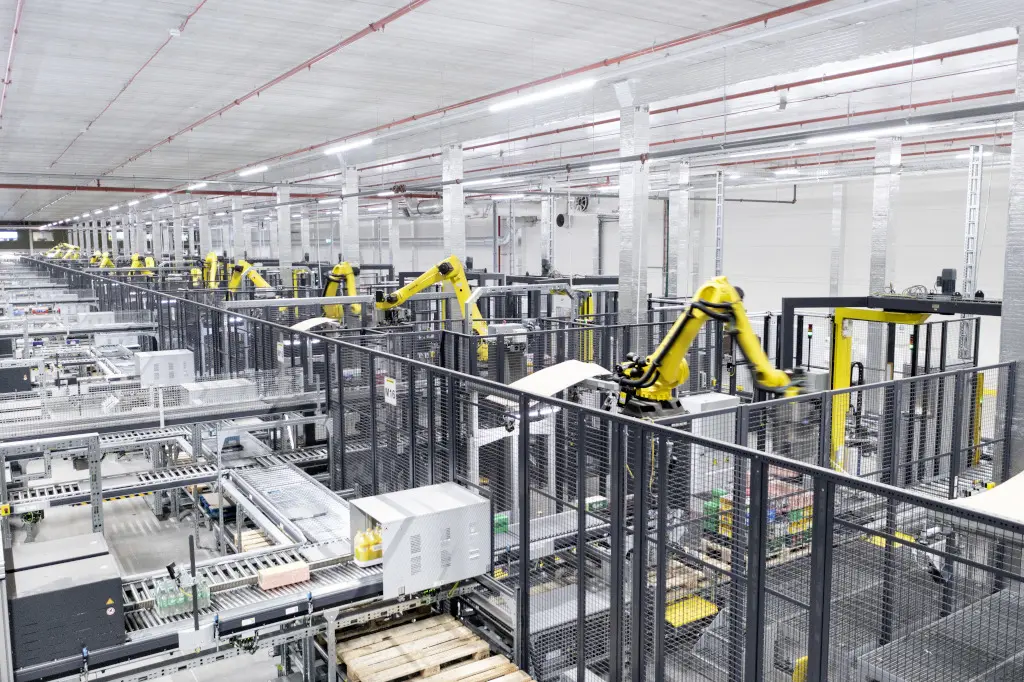
Coop Sweden has developed a highly automated and energy-efficient logistics centre in Eskilstuna. The solution integrates the entire material flow process from goods reception and high-bay warehouses to depalletising stations, automated small parts warehouses and robot-assisted palletising. For a long time, handling products at retail unit level with robots at carton level seemed impossible due to their unstable and varied packaging.
The Retail Optimiser reported.
German retail company Globus has implemented ‚Intelligent Data Modelling‘ to improve the quality of its master data. The SAP Hana application replaces the Excel-based quality assurance system. Over 100 rules check millions of data records every day, with most errors being corrected automatically.
Marc O’Polo was facing increasing complexity in its international supply chain. The fashion specialist has implemented a state-of-the-art omnichannel replenishment platform based on SAP S/4HANA. This solution optimises inventory management, demand forecasting and procurement by using real-time data and AI-supported forecasts.
Koçtaş, a leading DIY store operator in Turkey, has implemented a loyalty-as-a-service platform to standardise and automate the customer journey. Based on an API-driven microservice architecture, the solution offers omnichannel data integration, hyper-personalisation and real-time interactions, enabling faster and more precise campaigns.