dm and Beiersdorf pilot GS1 Digital Link

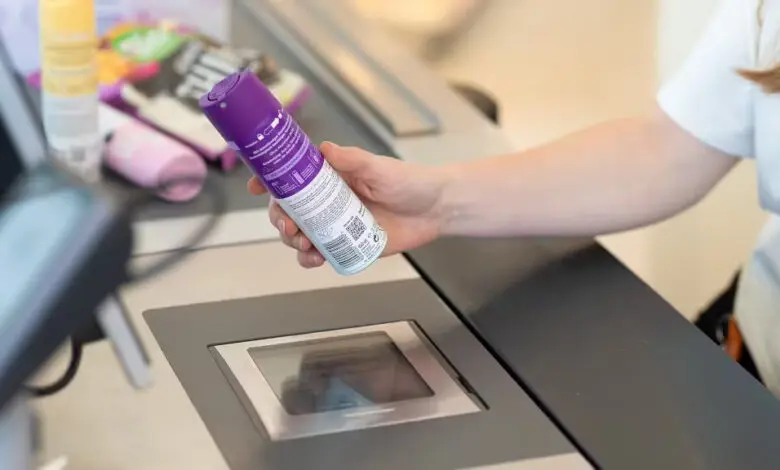
Drugstore operator dm is testing the processing of two-dimensional codes at the checkout in selected stores. The pilot project is set to provide important insights for the planned gradual replacement of barcodes with 2D codes using the new GS1 Digital Link standard. Beiersdorf’s 8X4 brand deodorants are among the first products to be labelled according to the new identification standard.
To ensure that goods can be scanned at the checkout as quickly as usual and that manufacturers do not have to print different codes on their products in future, the GS1 organisations are working with retailers and consumer goods manufacturers on the 2D migration. With its Sunrise 2027 initiative, the industry aims to reach a critical mass of products and POS systems that support 2D codes by the end of 2027. Sunrise Day is a kind of deadline by which the consumer goods industry and retailers should have prepared their packaging, processes and systems so that GS1 2D codes can work in day-to-day business.
In addition to dm, retail companies around the world have launched pilot projects with the GS1 Digital Link. These include Walmart, Carrefour, Coop Switzerland, Woolworth Australia and Tesco, The Retail Optimiser reported. Not only Beiersdorf is preparing for Sunrise Day. Among others, Nestlé, Henkel, Mars, Procter & Gamble, Dr. Oetker and Rieber are committed. The Retail Optimiser reported on projects by British food producer Branston and Frankfurt-based start-up Jake’s Beverages.
More information available directly at the POS
Two-dimensional codes contain significantly more information than traditional barcodes. For example, they can provide expiry date, batch number for traceability and extensive product information, such as ingredients and possible allergens. This information can be accessed by retailers and consumers directly at the point of sale. The data carrier requires less space on the packaging, as 2D codes can be smaller than traditional barcodes.
To read a 2D code at the checkout, the POS system requires a scanner with imager technology. This works like a digital camera. The integrated software recognises the typical markings of the QR code, analyses pixel arrangement and converts it into digital information. Currently, more than 70 per cent of cash register systems installed in Germany and Europe have already been equipped with imager scanners.
Consumers gain direct access to product information
Digital Link also opens new and efficient opportunities for customer communication and marketing. “The new GS1 standard for 2D codes with Digital Link seamlessly connects our products with digital information for the first time and opens up new opportunities for our brands to interact with consumers,” explains Christian Haensch, Managing Director of Beiersdorf AG for Germany and Switzerland: This allows us to create tangible added value right at the shelf through transparency and relevant content.”
The manufacturer has been deploying QR codes for its 8X4 brand since last year. Customers scan the code, which can also be used for checkout, with their smartphone. They then get direct access to product-specific details. The ’Scan me‘ note on the packaging is intended to encourage consumers to do so. Beiersdorf plans to roll out Digital Link for other brands over the year.
Retail and industry create the prerequisites
The digital link works like a switch. Depending on location, time or scanning device, it directs respective users to different information. This can be the price at the checkout or product descriptions or application instructions that are important to the consumer.
Mercedes Schulze, Senior Manager Identification + Data Carrier at GS1 Germany, names the success factors for the project: “The crucial point is collaboration: retail and consumer goods industry are working together to create the conditions for product information to be available more easily, transparently and in a standardised form in the future – without making shopping at the checkout more complicated.”