Carrefour adds GS1 QR codes to over 50 private labels

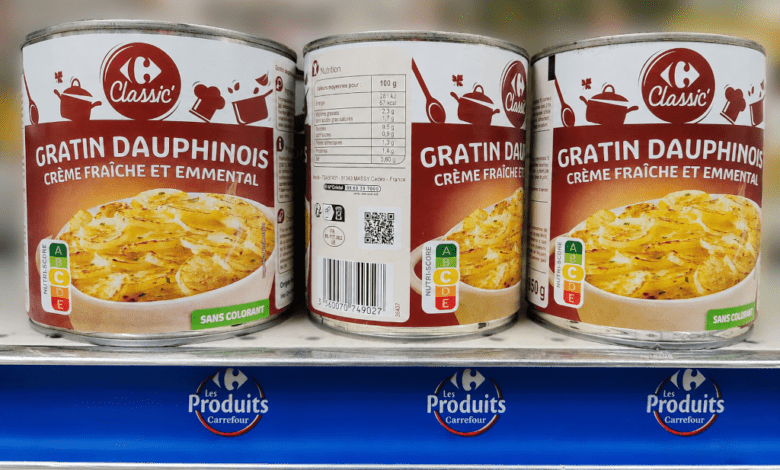
French retailer Carrefour is implementing QR codes based on the GS1 Digital Link standard in private-label ranges. To date, 50 own-brand products packages already feature the new-generation QR codes, across categories as varied as baby food, wine, organic or regional culinary specialities. The number of products is expected to continue to grow over the coming months.
The initiative forms part of a broader industry-wide transition away from traditional GTIN-12 and EAN-13 barcodes towards next-generation two-dimensional QR codes built on the GS1 Digital Link standard. Very much like other retailers globally, Carrefour is currently piloting the technology to ensure that QR codes are scanned at checkout with the same speed and reliability as legacy barcodes by the end of 2027.
The new QR codes expand the amount and type of information that can be linked to an item, providing significantly richer layer of product information, traceability and digital functionality. “This opens the door to tangible improvements for our customers, as well as for our store and logistics teams,” stated Carrefour Chief Digital Officer Miguel Ángel González Gisbert.
One QR code, distinct uses
A single QR code can dynamically deliver different layers of information depending on the scanning device. The same code may direct consumers, in-store staff, warehouse operators or checkout systems to entirely different datasets. The information displayed can also be tailored according to scan location and time.
For retailers, GS1-enabled QR codes introduce valuable operational data, including batch numbers, expiry dates and traceability information. This supports more efficient management of inventory and product recall efficiencies. Suppliers gain direct onsite or post-purchase engagement with shoppers unlocking new marketing opportunities.
Big benefits, many hurdles
For consumers who actively engage with product information, the technology may provide easier access to sourcing, nutritional and allergen data. Last but not least, the new standard will enable governmental bodies to audit and control products compliance and traceability. From 2027 onward, the new Digital Product Passport will be required on some product categories (such as clothing and home textiles) across the EU.
The switch to the new QR codes also involves significant software and hardware upgrades for retailers such as camera-based scanners or high-definition printers able to add individual QR code on packaging of instore prepared products. While benefits are numerous, these represent significant data complexity and investments, creating additional hurdles for smaller suppliers and retailers.