Instacart winds down Caper Cart operation

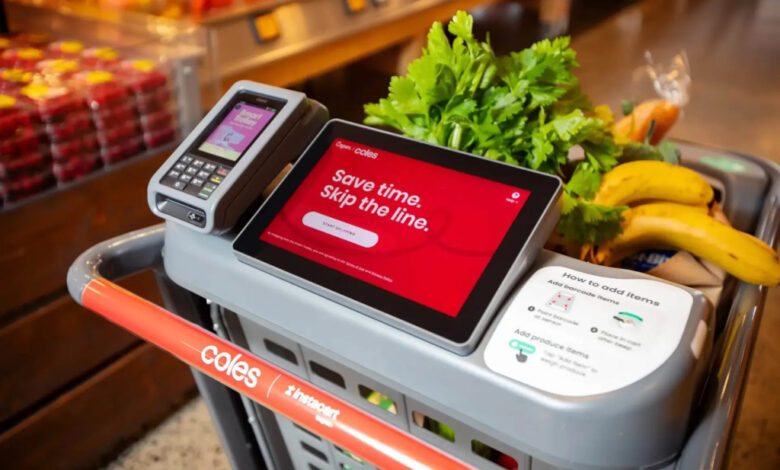
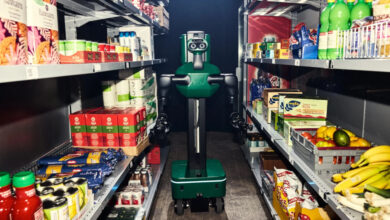
Instacart announced this week that it is discontinuing development of its Caper Cart smart trolley. All systems rolled out to date – several thousand, according to the manufacturer – are set to be phased out of the stores by end of March 2027. The US technology provider intends to shift its investment in brick-and-mortar retail solutions from hardware to software. Instacart expects costs of between 55 and 80 million US-Dollars for customer compensation, write-downs and staff severance payments.
Important users of Caper Carts include Kroger, Shoprite, Schnucks and Wegmans in the US, as well as Coles in Australia. Aldi Süd had also trialled the system at Hofer in Austria. The Retail Optimiser reported. Most recently, Morrisons in the UK tested the smart shopping trolley. The Retail Optimiser reported also on this. Furthermore, Carrefour in Belgium has shown interest in the technology.
Instacart explained the move by stating that acceptance of the technology in retail had not grown quickly enough to justify further investment. However, the company emphasises that it does not intend to withdraw completely from in-store technologies. In future, it will invest more heavily in the development of software, as well as data and AI solutions for retailers.
Portfolio expanded to include in-store solutions
Instacart, which originally launched as a delivery service and online retailing platform, expanded its portfolio in 2021 with the acquisition of Caper AI to include AI-based shopping trolleys and automated checkout technologies. A year later, it acquired Eversight, a platform for price and promotion optimisation. Most recently this year, the company bought Arpalus, a provider specialising in computer vision and shelf intelligence technology for tracking stock levels and shelf availability as well as Instaleap, a company whose solution helps retailers with the picking of online orders in stores.
With its Storefront Pro platform, the company already provides several features that customers can use in stores. These have been deployed by Aldi Süd in the US, amongst others. The Retail Optimiser reported. This potentially paves the way for Instacart to offer self-scanning via an app on customers’ smartphones in the future. Scanless solutions for autonomous store operations would also be conceivable using Arpalus technology.
Possible takeover of Instacart
It also emerged this week that negotiations regarding the takeover of Instacart by its competitor Doordash had reached advanced stages. Wall Street Journal reported that a deal could be reached as early as this week. However, it cannot be ruled out that negotiations might end without a result. Talks are said to have begun after Instacart commissioned an investment bank to examine strategic options.
It was reported that Uber had also been involved in initial talks but subsequently withdrew. Already in 2021, there were reports of a possible acquisition of Instacart by Uber. The deal is said to have fallen through at the time due to competition law concerns.